What Is Integrative Health? 30% Better Outcomes Explained
Discover what integrative health really is, how evidence-based protocols improve chronic disease outcomes by 30%, and how AI streamlines clinical workflows for practitioners.

Integrative health is often dismissed as alternative medicine lacking scientific rigor. Many clinicians mistakenly believe integrative health is alternative medicine, but it is a rigorous, evidence-based practice that combines the best of conventional and complementary care. This article clarifies what integrative health actually is, how it improves patient outcomes through validated clinical protocols, and how AI-powered workflows are transforming personalized care delivery for functional medicine practitioners.
Table of Contents
- Understanding Integrative Health: Definition and Scope
- How Integrative Health Works to Improve Patient Outcomes
- Common Misconceptions About Integrative Health
- Comparison of Major Integrative Health Clinical Protocols
- Role of AI in Enhancing Integrative Health Clinical Workflows
- Applying Integrative Health Principles with AI-driven Solutions
- Summary and Future Directions in Integrative Health
- Discover AI Solutions Transforming Integrative Health Clinics
- Frequently Asked Questions
Key Takeaways
| Point | Details |
|---|---|
| Definition | Patient-centered approach combining conventional and complementary therapies based on scientific evidence. |
| Outcomes | Improves chronic disease biomarkers by up to 30% and patient satisfaction by 25-35% compared to standard care. |
| Protocols | Bredesen, Shoemaker, and Wahls protocols show 60-70% efficacy in specific neurological and inflammatory conditions. |
| AI Integration | Automates complex care workflows, saving clinicians 4+ hours daily while personalizing treatment plans. |
| Evidence Base | Systematic reviews validate statistically significant benefits in over 60% of integrative health studies. |
Understanding Integrative Health: Definition and Scope
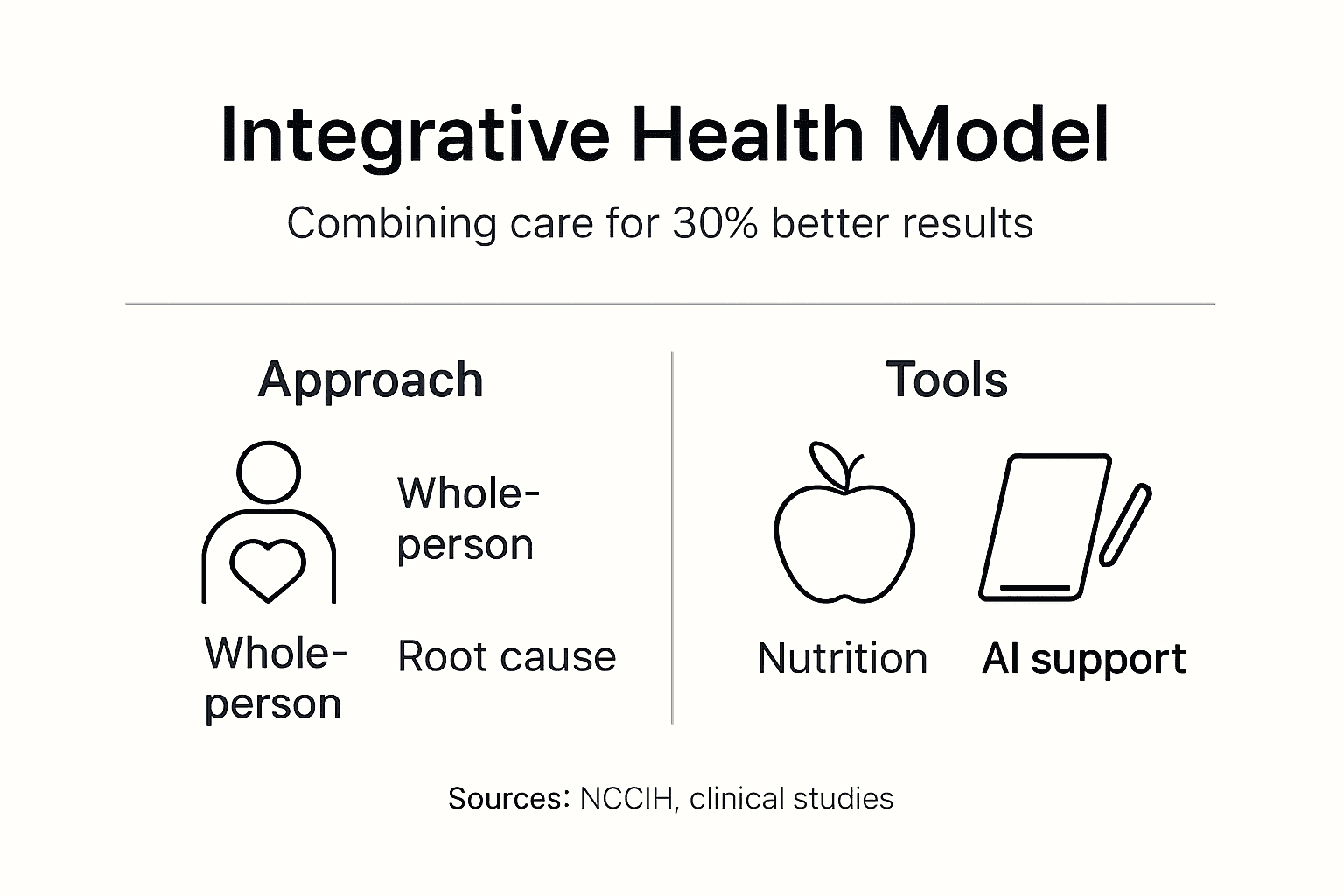
Integrative health is defined by the National Center for Complementary and Integrative Health (NCCIH) as a patient-centered, holistic approach combining conventional and complementary therapies tailored to individual health needs. This definition establishes integrative health as distinct from both purely conventional medicine and unregulated alternative practices.
The foundational principles rest on customization to each patient's unique biological, psychological, and social context. Integrative health emphasizes the biopsychosocial model, addressing biological, psychological, and social determinants, underpinning why it delivers more holistic patient care than conventional medicine alone. This framework explains why integrative approaches consistently outperform single-modality treatments in chronic disease management.
Integrative health differs fundamentally from alternative medicine in several critical ways:
- Requires peer-reviewed scientific evidence supporting each therapeutic intervention
- Collaborates with conventional medical providers rather than replacing them
- Integrates with standard diagnostic and treatment protocols
- Focuses on biomarker validation and measurable clinical outcomes
- Employs licensed practitioners trained in both conventional and complementary modalities
Practitioners using AI assistant for integrative health clinicians can implement these evidence-based principles more efficiently. The distinction from purely conventional approaches lies in addressing root causes through lifestyle, nutritional, and environmental interventions alongside pharmaceutical treatments. For patients seeking comprehensive care, holistic therapy for integral health represents one complementary pathway within the broader integrative framework.
How Integrative Health Works to Improve Patient Outcomes
Integrative health delivers measurable improvements by targeting root causes rather than merely managing symptoms. The approach addresses lifestyle factors, environmental exposures, psychological stressors, and biological dysfunction simultaneously.
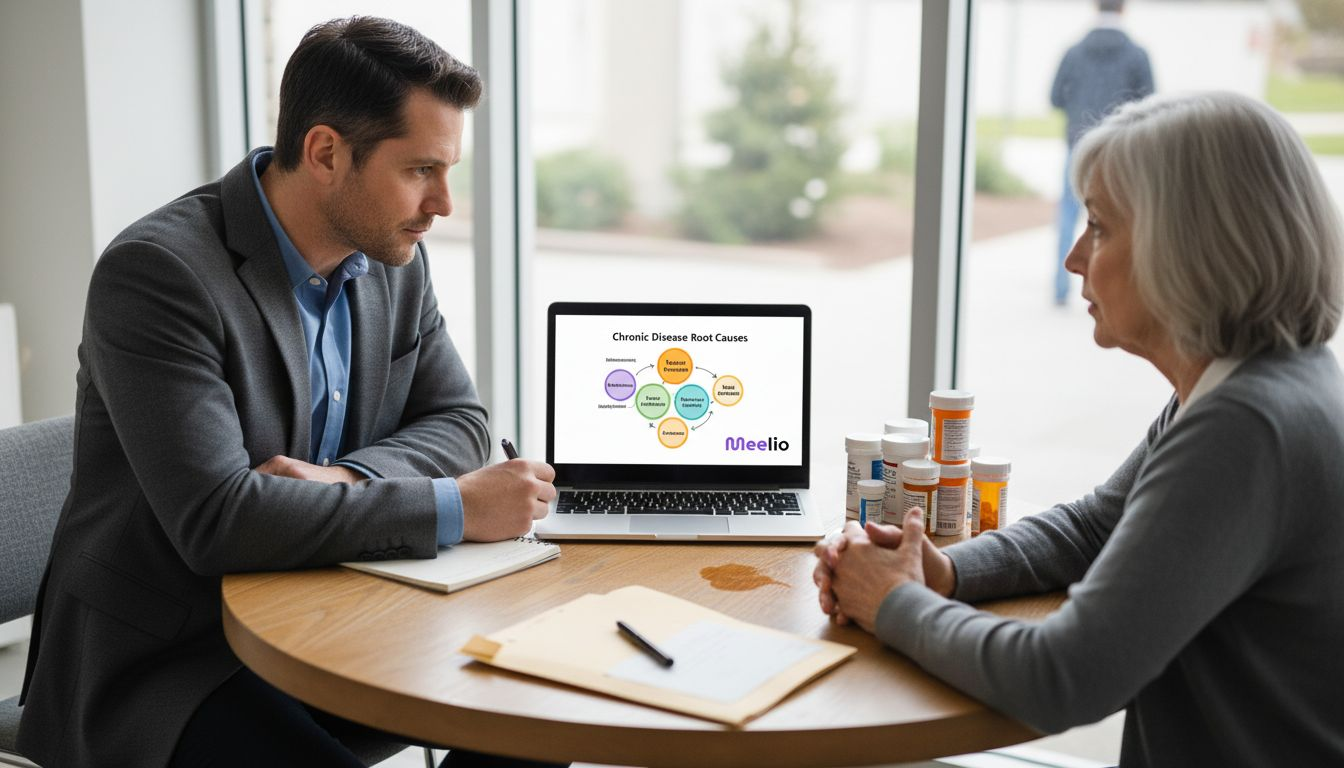
Integrative health improves outcomes in chronic disease management by addressing root causes, lifestyle, and environmental factors alongside standard medical treatments. This multi-factorial approach explains why biomarker improvements reach up to 30% in controlled studies. Symptom control similarly improves as practitioners address the interconnected systems driving disease progression.
Patient satisfaction and functional wellbeing increase by 25-35% compared to conventional care alone. Integrative health models report up to 25-35% improvements in patient satisfaction and functional wellbeing compared to standard care. These gains stem from addressing the complete patient experience rather than isolated pathology.
Key lifestyle and psychosocial factors commonly addressed include:
- Dietary patterns and nutritional deficiencies impacting metabolic function
- Sleep quality and circadian rhythm disruption
- Chronic stress and nervous system dysregulation
- Physical activity levels and movement patterns
- Social connection and community support systems
- Environmental toxin exposures and mitochondrial health
Clinicians leveraging improving patient management with AI can systematically track these factors and adjust protocols based on real-time data. Holistic care facilitates symptom management particularly in complex, multi-system chronic diseases where conventional single-pathway treatments show limited efficacy. For patients with chronic conditions, chronic disease integrative strategies offer complementary therapeutic options within evidence-based frameworks.
Common Misconceptions About Integrative Health
Three major misconceptions prevent wider adoption of integrative health approaches among conventional practitioners.
Misconception 1: Integrative Health Equals Unscientific Alternative Medicine
This conflation ignores the fundamental requirement for scientific validation. Integrative health explicitly demands peer-reviewed evidence for each intervention and collaborative implementation with conventional medical teams. Alternative medicine often lacks regulatory oversight and scientific rigor.
Misconception 2: Lack of Peer-Reviewed Evidence
Misconception that integrative health lacks scientific validation is incorrect; systematic reviews confirm statistically significant benefits on biomarkers and symptom scores in at least 60% of studies. The evidence base continues expanding as research methodology improves and funding increases for integrative medicine trials.
Misconception 3: Integrative Health Substitutes Emergency or Urgent Conventional Care
Integrative health augments but never replaces critical interventions for acute, life-threatening conditions. The approach excels in chronic disease management, prevention, and optimization. Emergency situations require immediate conventional medical intervention.
"Integrative health represents the evolution of medicine toward personalized, evidence-based care that honors both scientific rigor and the complexity of human health."
Discerning evidence-based integrative approaches from unregulated practices requires evaluating practitioner credentials, treatment protocols, and outcome measurement systems. Clinicians implementing automation in healthcare workflows can systematically document evidence supporting each intervention and track patient responses to validate efficacy.
Pro Tip: Always verify that integrative protocols cite specific peer-reviewed research and include measurable clinical endpoints before implementing them in patient care.
Comparison of Major Integrative Health Clinical Protocols
Three validated protocols demonstrate the clinical efficacy of integrative health in specific disease contexts.
| Protocol | Primary Focus | Key Interventions | Evidence Base | Clinical Outcomes |
|---|---|---|---|---|
| Bredesen | Alzheimer's disease and cognitive decline | Nutrition optimization, metabolic health, detoxification, sleep hygiene, stress management | Cognitive stabilization in 70% of patients | 70% show cognitive improvement or stabilization over 12 months |
| Shoemaker | Chronic inflammatory response syndrome from mold/biotoxin exposure | Environmental remediation, cholestyramine binding, VIP nasal spray, immune modulation | Improved outcomes in 65% of CIRS cases | 65% achieve symptom resolution and biomarker normalization |
| Wahls | Multiple sclerosis and neurological conditions | Mitochondrial nutrition, functional movement, electrical stimulation, stress reduction | 60% fatigue reduction in MS patients | 60% report reduced fatigue and improved function after 12 weeks |
These protocols differ substantially in disease targets and mechanistic approaches. Bredesen Protocol demonstrates cognitive stabilization or improvement in 70% of Alzheimer's patients over 1 year by addressing multiple metabolic and lifestyle factors contributing to neurodegeneration. The protocol's complexity requires systematic tracking of dozens of biomarkers and interventions.
Shoemaker's protocol shows improved outcomes in 65% of chronic inflammatory response syndrome cases through targeted detoxification and immune system rebalancing. The approach emphasizes environmental assessment and biotoxin elimination alongside pharmaceutical interventions.
Wahls Protocol reported 60% fatigue reduction and functional gains in MS patients after 12 weeks using intensive nutritional support for mitochondrial health. The diet component alone requires tracking macronutrient ratios, micronutrient density, and specific food categories.
Clinicians can streamline protocol implementation using functional health assessment checklist approaches that systematically evaluate patient readiness and track adherence. Protocol selection depends on matching patient diagnosis, functional status, and treatment goals with the evidence base for each framework.
Role of AI in Enhancing Integrative Health Clinical Workflows
AI technologies transform how clinicians implement complex integrative health protocols by automating time-intensive tasks and personalizing care delivery.
AI technology saves clinicians over 4 hours daily on care planning and personalized nutrition guidance using AI workflow platforms designed for integrative health protocols. This efficiency gain allows practitioners to focus on patient interaction and clinical decision making rather than administrative tasks.
Key AI applications in integrative health include:
- Automated longitudinal lab data analysis identifying trends and protocol adjustments
- Protocol-specific care plan generation incorporating patient history and biomarkers
- Personalized nutrition recommendations based on individual metabolic profiles
- Real-time adherence monitoring and intervention optimization
- Pattern recognition across patient populations for outcome prediction
Integration with EHR systems like Practice Better and Cerbo streamlines workflow by eliminating duplicate data entry and enabling seamless information flow between assessment, planning, and monitoring phases. The AI assistant for clinicians handles complex protocol logic while practitioners apply clinical judgment to individualize recommendations.
Personalization reaches new precision levels as AI analyzes patient responses and automatically adjusts intervention intensity, timing, and combinations. AI meal planning for dietitians exemplifies this capability by generating individualized meal plans that account for food sensitivities, nutrient requirements, and taste preferences simultaneously.
Pro Tip: Use AI as decision support to augment your clinical expertise, not replace it. Review AI-generated recommendations against your patient knowledge and modify based on individual context and therapeutic relationship.
The patient management workflow with AI approach enables systematic implementation of evidence-based protocols at scale while maintaining personalization. Clinicians report improved patient outcomes alongside reduced burnout from administrative burden.
Applying Integrative Health Principles with AI-driven Solutions
Implementing integrative health with AI support follows a systematic four-step process.
-
Assess Patient Holistically: Gather comprehensive data on lifestyle patterns, environmental exposures, psychosocial stressors, and biological markers. Use structured intake forms that capture diet quality, sleep patterns, stress levels, physical activity, social support, and toxin exposures. AI tools can analyze this multi-dimensional data to identify priority intervention areas.
-
Select Evidence-Based Protocols: Match patient condition and functional status with validated protocols like Bredesen, Shoemaker, or Wahls. Review the evidence base for each protocol component and customize based on patient-specific factors like comorbidities, medication interactions, and treatment preferences. AI-driven care plans streamline protocol customization by automatically adjusting recommendations based on individual patient profiles.
-
Implement AI Tools for Automation: Deploy AI platforms to generate personalized care plans, analyze lab results longitudinally, and create nutrition recommendations. AI Care Plans - Comprehensive Treatment Planning | Meelio AI automates the complex logic of multi-component protocols while maintaining clinical oversight. AI meal planning solutions translate nutritional requirements into practical, actionable meal plans patients can implement immediately.
-
Monitor and Adjust Continuously: Track biomarkers, symptoms, and adherence metrics to refine protocols based on patient response. AI systems identify trends and suggest protocol modifications before clinical decline becomes apparent. Regular reassessment ensures interventions remain aligned with evolving patient needs and treatment goals.
Pro Tip: Combine AI automation with your clinical expertise for optimal outcomes. Use AI to handle data analysis and protocol logic while you focus on therapeutic relationship, motivation, and individualized clinical judgment.
The functional health assessment steps provide a structured framework for implementing this systematic approach. Success requires balancing standardized protocol elements with personalized adjustments based on individual patient response and preferences.
Summary and Future Directions in Integrative Health
Integrative health establishes a patient-centered, evidence-based model that outperforms conventional single-modality approaches in chronic disease management. The combination of validated clinical protocols and AI-powered workflow automation creates unprecedented opportunities for personalized care at scale.
Key insights shaping the future of integrative health include:
- Evidence base continues expanding with systematic reviews validating 60-70% efficacy rates in specific protocols
- AI integration revolutionizes clinical efficiency by automating complex multi-component care plans
- Personalization reaches new precision through real-time biomarker monitoring and adaptive protocol adjustment
- Longitudinal patient monitoring enables early intervention before clinical decline
- Protocol-specific intelligence goes beyond generic AI scribes to deliver actionable clinical recommendations
Emerging trends point toward greater AI precision in predicting individual patient responses to specific interventions. Machine learning models analyzing thousands of patient outcomes will identify which protocol components work best for specific genetic, metabolic, and lifestyle profiles. Expanded integrative applications will extend beyond current chronic disease focus into prevention, performance optimization, and healthspan extension.
Functional medicine practitioners can leverage these AI-driven tools to optimize patient outcomes while improving practice efficiency and reducing clinician burnout. The combination of evidence-based protocols and intelligent automation represents the evolution of personalized medicine into practical, scalable clinical reality.
Discover AI Solutions Transforming Integrative Health Clinics
Meelio provides AI-powered tools tailored for integrative and functional medicine clinicians seeking to enhance patient care while streamlining complex workflows. Our platform automates care plan generation for protocols like Bredesen, Shoemaker, and Wahls, delivers personalized nutrition recommendations, and performs longitudinal lab analysis that goes beyond generic AI scribes.
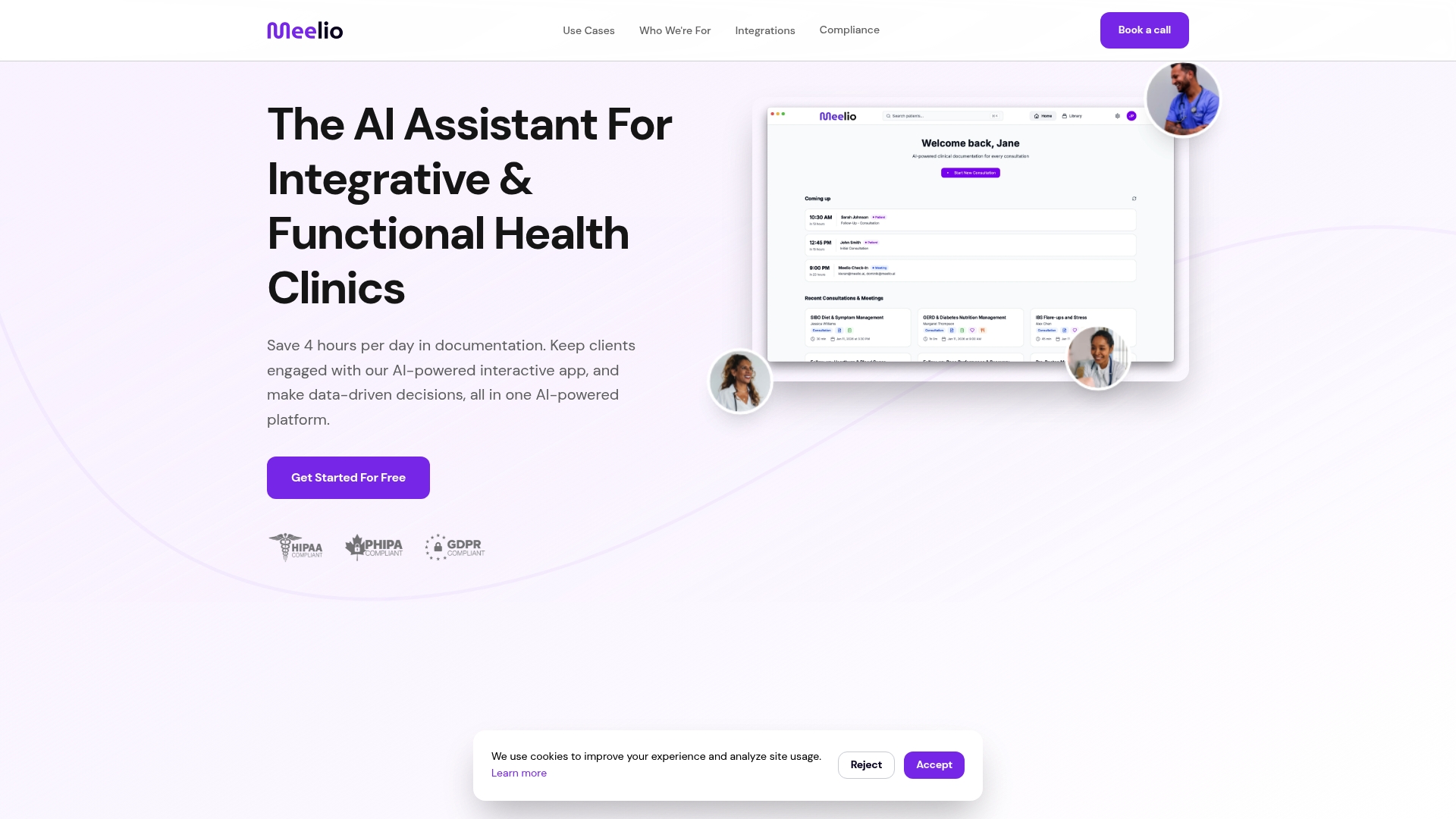
Integrate seamlessly with EHRs like Practice Better and Cerbo while saving 4+ hours daily on administrative tasks. AI care plan solutions handle protocol-specific clinical intelligence so you can focus on patient relationships and clinical decision making. Join clinicians transforming patient outcomes through efficient patient management with AI and experience how intelligent automation enhances personalized care delivery.
Frequently Asked Questions
What distinguishes integrative health from alternative medicine?
Integrative health requires peer-reviewed scientific validation for each intervention and works collaboratively with conventional medical providers. Alternative medicine typically operates outside evidence-based frameworks and may lack regulatory oversight or measurable clinical endpoints.
How does AI improve clinical workflows in integrative health practices?
AI automates complex tasks like longitudinal lab analysis, protocol-specific care plan generation, and personalized nutrition recommendations. This reduces manual labor, minimizes errors, and enables real-time protocol adjustments based on patient response data.
Which clinical protocols are most effective in integrative health?
Bredesen Protocol shows 70% efficacy for Alzheimer's disease, Shoemaker Protocol achieves 65% improvement in mold-related chronic inflammatory conditions, and Wahls Protocol delivers 60% fatigue reduction in multiple sclerosis. Select protocols based on patient diagnosis, functional status, and treatment goals.
Can integrative health replace emergency care?
Integrative health is adjunctive, not a replacement for critical emergency interventions. It excels in chronic disease management, prevention, and optimization but never substitutes for immediate conventional medical care in acute, life-threatening situations.
What are best practices for integrating AI tools in patient care?
Combine AI-generated insights with your clinical expertise and patient knowledge for optimal outcomes. Use AI to automate data analysis and protocol logic while you provide clinical judgment, therapeutic relationship, and individualized modifications. Continuously evaluate patient data and adapt care plans based on measured responses.